What is shibari?

In Japanese, “shibari” simply means “to tie”.
Shibari is the Japanese practice of rope binding, with roots in visual art, theatre, and erotic culture. While often mythologised, it is in fact a relatively modern practice that developed in the 20th century, with many of the pioneers of its techniques and imagery still alive today.
In recent years, shibari has evolved into a contemporary form of rope play where one person ties another, exploring restraint, power exchange, and trust through rope.
Today, it is embraced worldwide as both an intimate practice and a visual art, offering space to experience connection, vulnerability, and the charged energy of giving and surrendering control.
Shibari is practised both between couples and platonically between friends, making it well suited to modern expressions of love, friendship, and diverse relationship dynamics.
The history of shibari is complex and colourful. For a more in depth understanding of its history, please read this excellent article by Midori
Our story
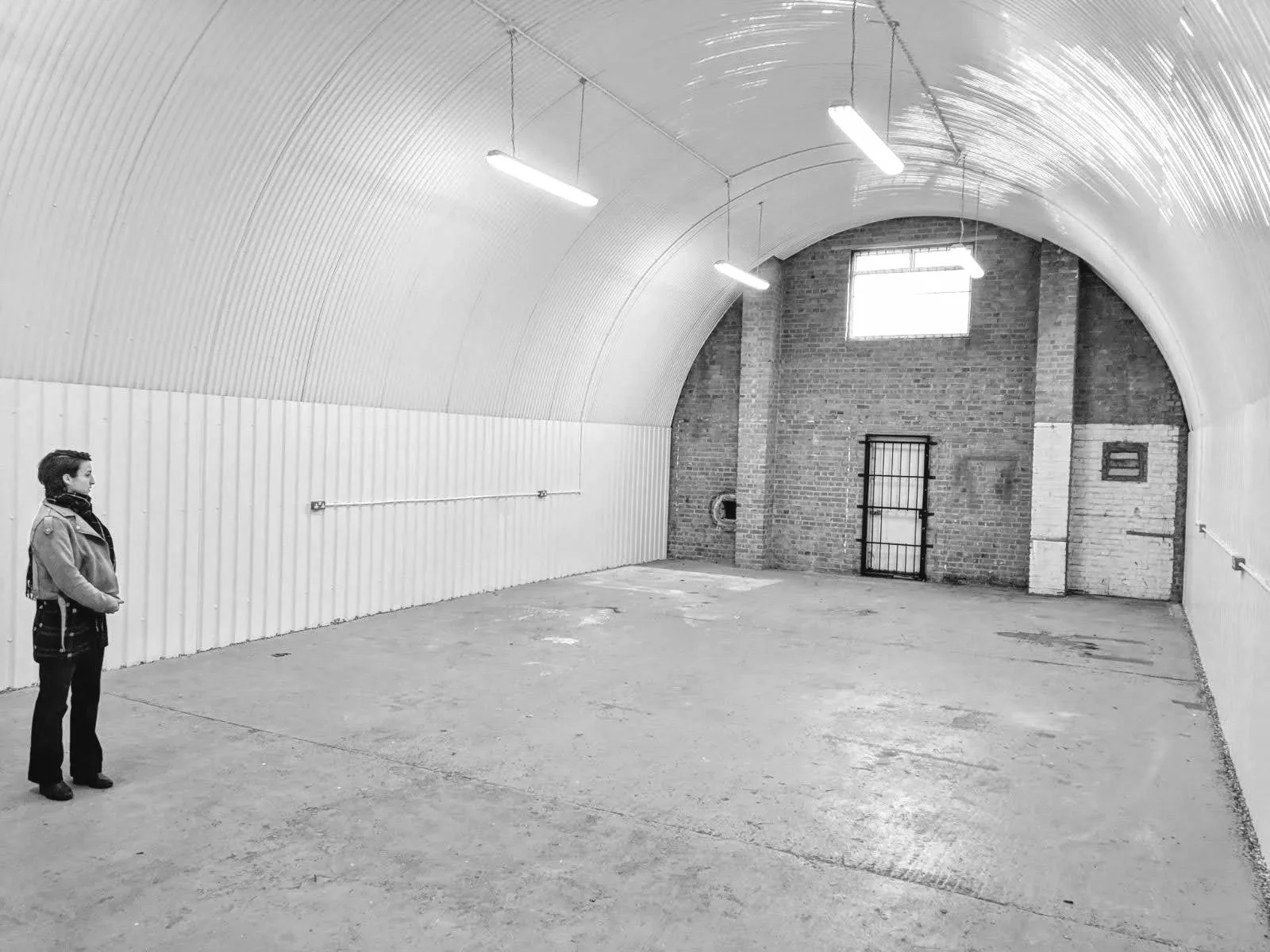
The studio was founded by Anna Bones and Fred Hatt in June 2015 as a hub for learning and practising Japanese-inspired rope bondage. Fred Hatt and Anna Bones wanted to create a relaxed space where people could connect, meet like-minded folk, and enjoy rope together. What began in their home has grown into a dedicated venue that still retains a cosy, living-room feel – even with the impressive custom metallic frame suspended above it.
When the studio first opened rope jams attracted 15–25 people per evening in a small 500 sq ft space in Peckham. Since then the community has grown considerably, with jams now welcoming between 30 and 60 people a night. In June 2018 we moved to a larger space in a railway arch next to Queens Road Peckham (photo taken in 2018 the day we moved in), which we hope will remain our home for many years to come.
In 2020, Covid-19 brought unexpected challenges. Like many others, we had to adapt, with online classes and rope sales through our online shop Shibari Store becoming our main source of income during lockdowns. Thanks to the support of our wonderful team and community, we were able to make it through.
Today, Anatomie is internationally recognised for its quality education and regularly featured in Time Out, as well as other publications and podcasts. None of this would be possible without the incredible team members and volunteers who form the heart and soul of the studio, and to whom we are deeply grateful.
Fred and Anna met in London in 2013 and have been tying partners and lovers ever since. They married in 2019. They have travelled internationally to teach and, as ex-academics, remain passionate about fostering safe, thoughtful, and sustainable rope practices.
The people
-
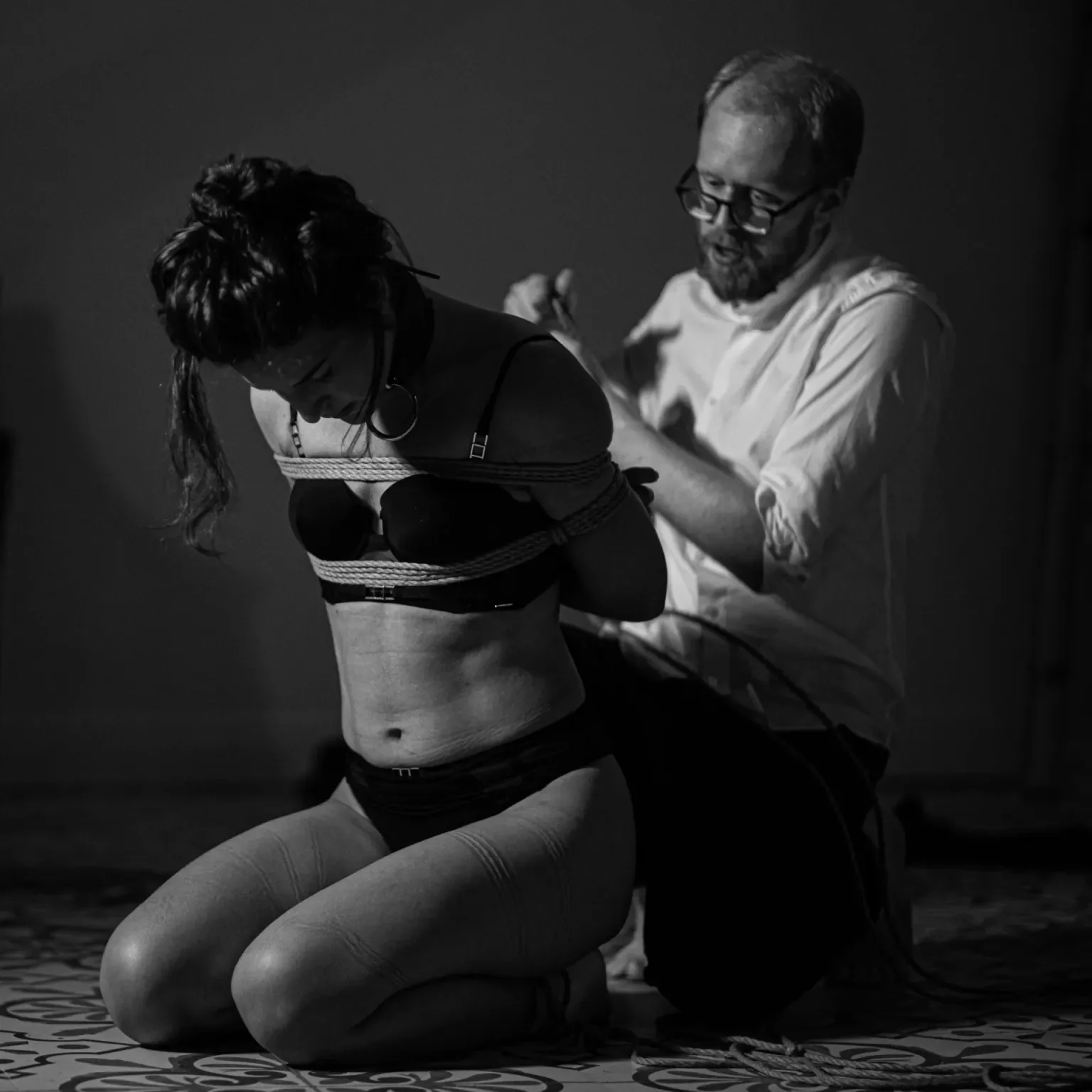
Meet Anna and Fred
Anna and Fred met in 2013 and quickly fell in love with each other and with rope. Through Shibari they made lifelong friends, had wonderful adventures, and deepened their connection. While they've taught and performed internationally, they're now rooted in their local scene where they find the most meaning. You'll find one of them at almost every event. Anatomie is their pride and joy, and a lot of love gets poured into it.
More about Anna and Fred here. -
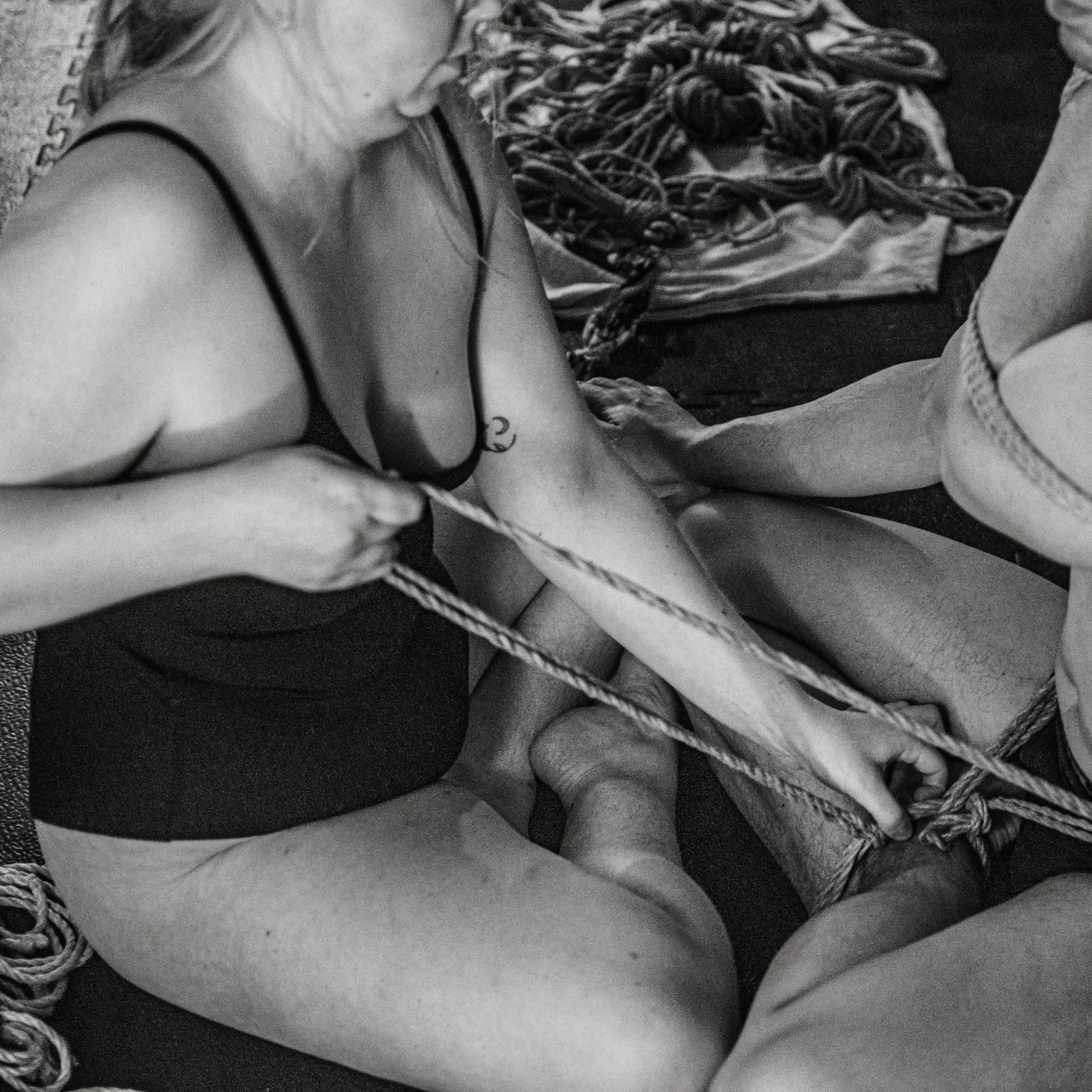
Meet the Team
The studio is supported by a wonderful group of team members and volunteers who form the heart and soul of the space. Affectionately known as the House Cats, they now number over 20 people across three teams: the Shibari Store Team, who run and maintain the rope shop; the Volunteers Team who meet and greet you at the door and help with day to day tasks; and the Core Team, who help with decision-making, policy, and the day-to-day running of the studio.
More about the team here. -
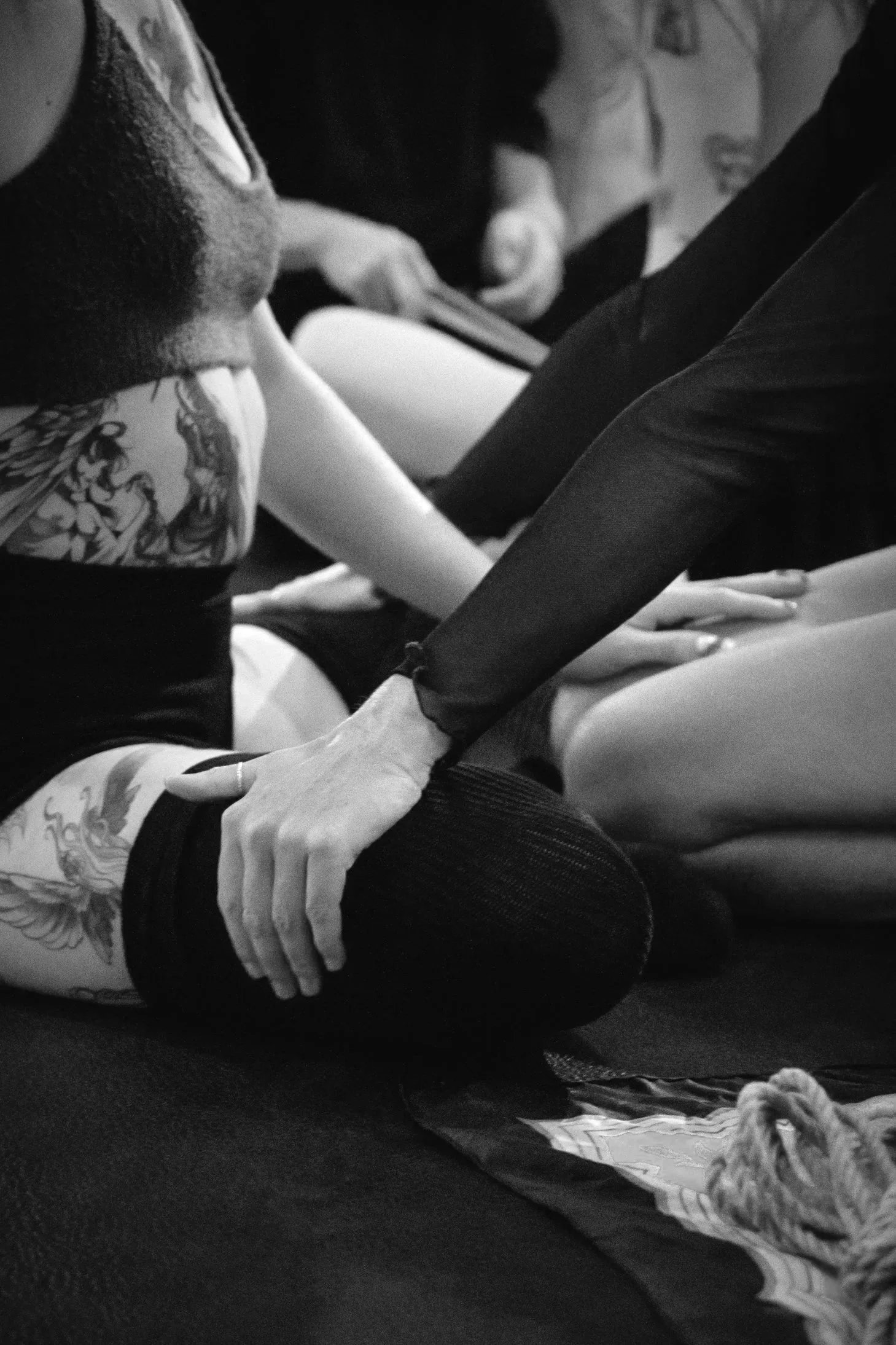
Our Values
Since the start we were very clear we wanted the space to be welcoming and inclusive for everyone. We work hard behind the scenes to ensure we make this possible. This involves continuously improving how we teach, the language we use, and the physical environment we create on the ground. This work is never finished - it's an ongoing practice we take seriously. Our team and community are a reflection of this commitment.
More about our values here.